You know, in the constantly changing world of tech,
'IMU Inertial Measurement' is really becoming a big deal.
It’s kind of at the heart of so many cool applications today—from flying planes and rockets to self-driving cars.
I read somewhere, a report from Grand View Research, that the global market for inertial measurement units was around $9.79 billion back in 2020.
And honestly, it’s expected to grow even more because there’s a rising need for smarter navigation systems and IMUs are becoming a staple in all kinds of smart gadgets.
Take Poseidon International Group based in Hong Kong, for example. Since they started in 2013, they’ve really pushed the envelope with their work on
fiber optic gyroscopes (FOG), inertial navigation systems (INS), and autonomous driving tech.
They’re super dedicated to R&D, which has paid off — they’ve even secured multiple patents.
All of this just goes to show how companies like theirs are helping to shape our tech-heavy future with
IMU technology.
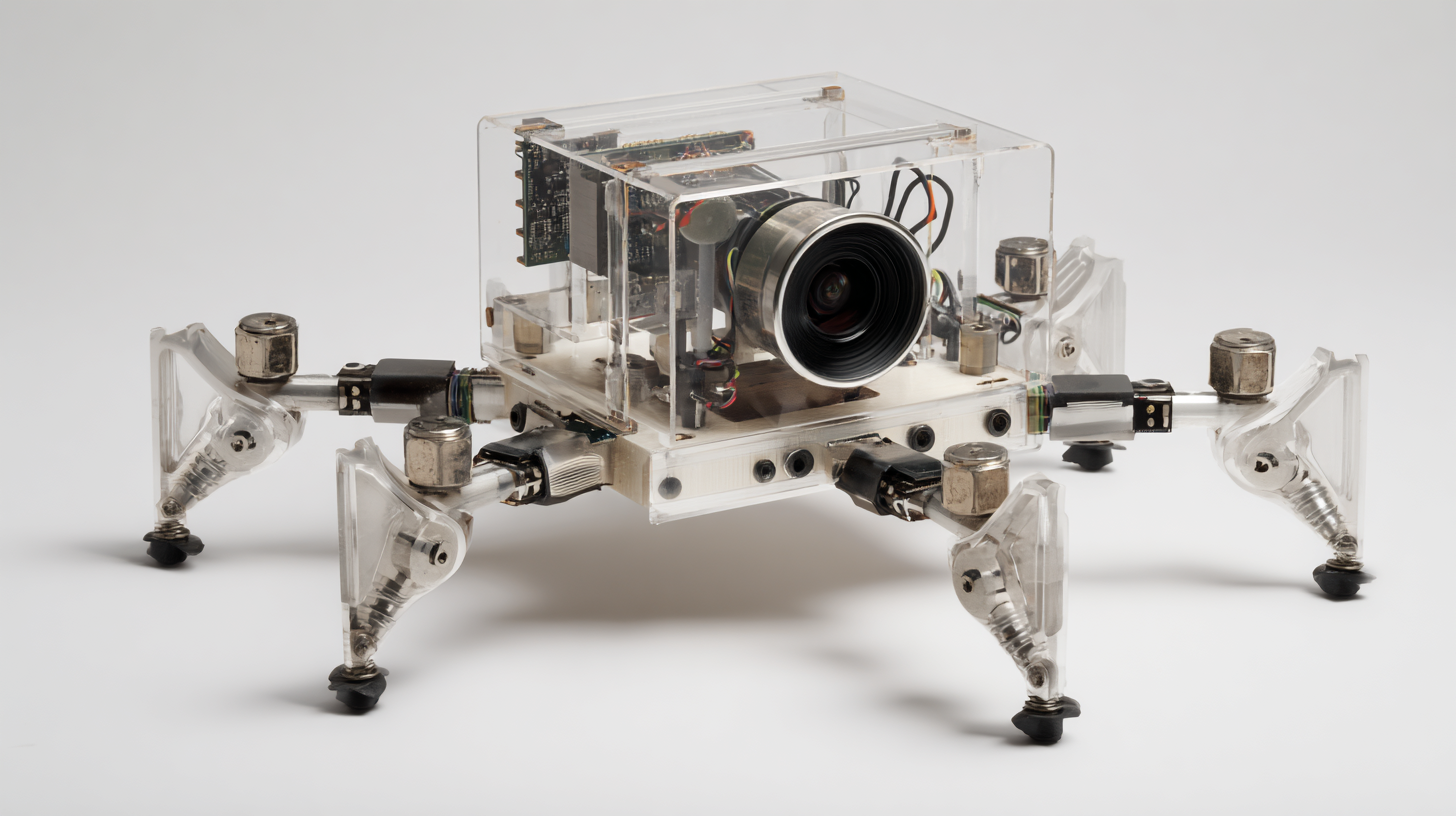
Understanding IMU: The Core Components That Define Inertial Measurement Units
Inertial Measurement Units, or IMUs for short, are honestly everywhere these days. They’re a key part of a bunch of modern tech — think smartphones, self-driving cars, and other cool gadgets. Basically, an IMU is made up of a few main parts: accelerometers, gyroscopes, and sometimes magnetometers. These work together to give us real-time info on things like speed, how you're oriented, and even gravity. There’s actually this recent report by MarketsandMarkets that says the IMU market might hit about $12 billion by 2025. That’s mainly because more and more cars and consumer devices are jumping on the advanced tech bandwagon. Pretty crazy, right?
The key parts inside an IMU really do matter for how accurate and useful the device is. Accelerometers track linear movement along different axes — like if you're moving forward or sideways. Gyroscopes, on the other hand, measure how fast something is spinning or turning, which helps determine you’re facing north, south, or whatever direction. Adding in magnetometers is like giving the IMU a tiny compass — they use Earth’s magnetic field to help with navigation, which really boosts accuracy. But to make sense of all this complicated data, developers rely on clever algorithms that combine all the sensor info — this process is called sensor fusion — and it’s super important, especially for tech like AR or robots.
A quick tip if you’re shopping around for an IMU: think about what exactly you need it for. Different projects call for different levels of precision or work within certain environments, so keep that in mind. Also, check out the sampling rate and how much movement it can handle — you want to make sure it matches what you’re trying to do. Knowing the strengths and limits of each part can make a big difference in your decision and can help set your project up for success.
The Role of IMUs in Modern Technology: Applications Across Industries
Nowadays, in our tech-heavy world, Inertial Measurement Units, or IMUs, are actually pretty important across all sorts of industries. They've really changed the way we move around and interact with our environment. These tiny devices, which pack accelerometers, gyroscopes, and magnetometers, give us pretty accurate info about motion and orientation. That’s super useful in a bunch of things—think smartphones, gaming consoles, or even fancy aerospace and car tech. IMUs make life easier by enabling motion sensing, gesture controls, and real-time navigation, making devices feel more intuitive and responsive.

Plus, industries like healthcare and robotics are jumping on board with IMUs too. In medicine, they help track patients' movements and recovery progress, making personalized care a lot more practical. When it comes to robots, IMUs are key for creating autonomous machines that really understand where they are and how they’re oriented, which boosts their performance and safety. Overall, it’s clear that IMUs aren’t just improving existing tech—they’re opening up new possibilities and really shaping what our high-tech future looks like.
Key Benefits of IMUs: Enhancing Precision in Navigation and Motion Tracking
In today’s tech-heavy world, Inertial Measurement Units, or IMUs, are really key players when it comes to improving how we track movement and navigate. These smart devices use a bunch of sensors—like accelerometers and gyroscopes—to give us real-time info on an object’s speed, orientation, and position. If you’ve seen recent market reports from Research and Markets, you’ll notice that the global IMU market is projected to jump from around USD 5.7 billion in 2021 to about USD 10.4 billion by 2026. That just shows how much more people are demanding accurate tech—from aerospace to robotics and everything in between.
At Poseidon International Group (Hong Kong) Limited, we specialize in researching, designing, and building cutting-edge inertial navigation systems and fiber optic gyroscopes. We’re pretty passionate about staying ahead of the curve, which is why we’ve secured several patents for our innovations. By weaving the latest IMU tech into our solutions, we’re not just making autonomous driving safer and more reliable — we’re also pushing forward the development of smart tech that’s so vital in today’s navigation world.
**Tip:** When you’re adding IMUs to your projects, try to pick systems that are super sensitive and have low drift because that helps keep things precise really long term. And hey, don’t forget to pair them up with other tech like GPS — it can really boost your accuracy, especially in tricky environments.
Challenges in IMU Implementation: Overcoming Technical Barriers and Limitations
Implementing Inertial Measurement Units, or IMUs, isn't exactly a walk in the park. There are quite a few technical hurdles that can really throw a wrench in their performance and use across different fields. One big issue is sensor drift — basically, when errors build up over time, making measurements less accurate the longer you go. This is especially annoying when you need super precise readings, like with self-driving cars or robots. To tackle this, engineers rely on fancy algorithms and calibration tricks, but honestly, developing those solutions isn’t simple — it’s pretty complex work.
Then there’s the challenge of getting IMUs to play nice with other sensors. Take GPS, for example — combining it with IMUs isn’t just plug-and-play. It often needs some pretty sophisticated data fusion techniques to make everything work smoothly, especially when GPS signals are weak or spotty. Plus, processing power and bandwidth can be real pain points — slowing down real-time analysis, which is a big deal for things like augmented reality or self-driving cars. As tech keeps moving forward, figuring out how to overcome these issues is key. Only then can we really unlock what IMUs are capable of and make them even more useful in our tech-heavy world.
Challenges in IMU Implementation: Overcoming Technical Barriers
Future Trends in IMU Technology: Innovations Shaping the Next Generation of Devices
You know, the tech world is changing super fast these days, and Inertial Measurement Units (or IMUs) are really right there at the cutting edge of it all. As gadgets get smarter and more complex, IMUs play a crucial role in helping us track motion accurately and navigate smoothly. The cool thing is, breakthroughs in IMU tech are more important than ever, especially as we’re heading into an era packed with autonomous vehicles and smart devices everywhere. Thanks to some pretty advanced algorithms and sensor fusion tricks, the next wave of IMUs is gonna be a game-changer — making things more precise, reliable, and efficient. Think drones, self-driving cars, you name it — they’ll all benefit.
At Poseidon International Group in Hong Kong, we're really focused on pushing these innovations forward. Our team’s work with fiber optic gyroscopes and inertial navigation systems has earned us a bunch of patents, which just shows we’re serious about leading the way in this space. We’re keeping an eye on the latest trends like making IMUs smaller, more sensitive, and even smarter with AI integrated into the mix. Our goal? To help shape a future where these technologies make autonomous driving, attitude control, and all sorts of other applications perform even better — bringing cutting-edge solutions to real-world challenges.
In a nutshell, we’re here to help build a more tech-savvy world, one innovation at a time — and we’re pretty excited about what’s coming next.
Unlocking the Secrets of IMU Inertial Measurement: How It Shapes Our Tech-Driven World
| Dimension |
Current Trends |
Future Innovations |
Impact on Technology |
| Sensor Accuracy |
High precision sensors with improved calibration techniques. |
Quantum sensors for unprecedented accuracy. |
Enabling advanced navigation systems in autonomous vehicles. |
| Size and Weight |
Miniaturization of IMUs for compact devices. |
Flexible and ultra-lightweight IMUs for wearables. |
Integration into consumer electronics and IoT devices. |
| Power Consumption |
Development of low-power IMU solutions. |
Energy harvesting technologies for self-powered IMUs. |
Extended autonomy in remote sensing applications. |
| Integration with AI |
Use of AI algorithms for data processing and analysis. |
Smart IMUs that learn and adapt to user behavior. |
Enhanced functionality in robotics and automation. |
| Application Range |
Expanding use in drones and agricultural machinery. |
Applications in smart cities and urban mobility. |
Optimizing logistics and transportation management. |
Practical Tips for Integrating IMUs into Existing Systems and Solutions
Bringing Inertial Measurement Units (IMUs) into existing systems really opens up some exciting possibilities across various tech fields. These little gadgets can track motion so precisely that they make a big difference in areas like self-driving cars, robotics, and even aerospace. If your team’s thinking about upgrading their systems, it’s a good idea to start by figuring out exactly what you need. You’ll want to make sure the IMU’s performance matches your goals. Also, don’t forget that thorough testing and calibration are key—getting these right can really boost how responsive and accurate the system is.
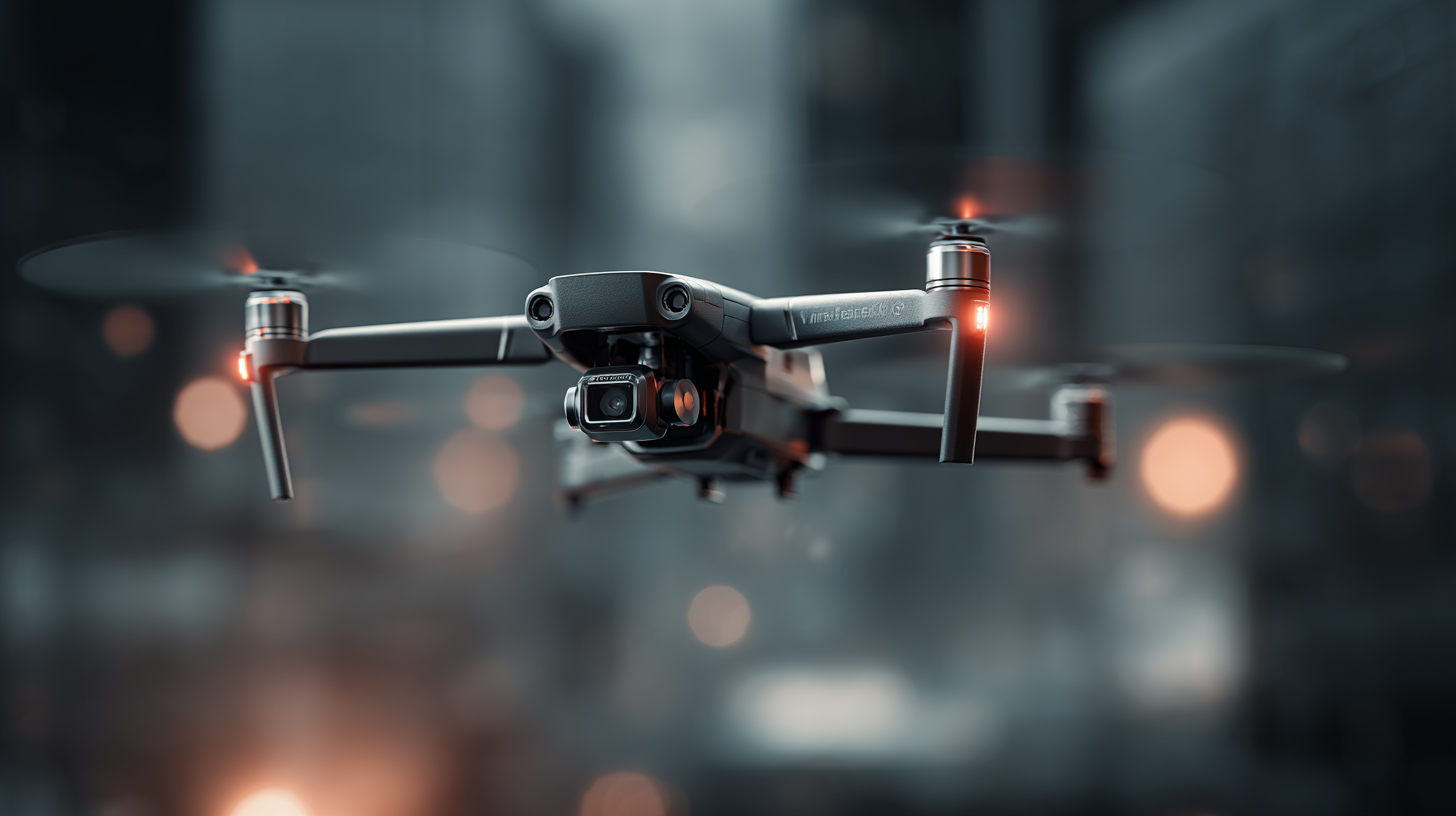
Take Poseidon International Group out of Hong Kong, for example—they’re leading the way with innovative designs for stuff like advanced inertial navigation tech and fiber optic gyroscopes. Their expertise in attitude and control systems is a big deal for companies looking to push their tech further. By tapping into Poseidon’s own research and patents, organizations can improve their existing systems, making them more precise and reliable. Going with trusted names like Poseidon for IMUs means staying competitive in this fast-moving tech world—you definitely want to keep up!
Advancements in UAV Navigation: Evaluating the Impact of the TBSD60 Inertial Navigation Sensor on Flight Precision and Data Accuracy
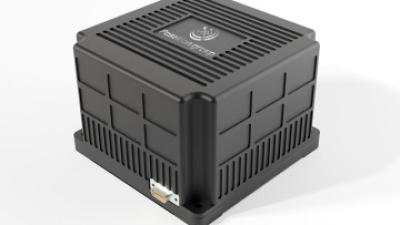
The evolution of Unmanned Aerial Vehicles (UAVs) has been significantly influenced by advancements in navigation technologies, particularly the Poseidon TBSD60 Inertial Navigation Sensor. This sophisticated device incorporates digital closed-loop technology which enhances flight precision and data accuracy essential for a myriad of applications including UAV navigation, autonomous vehicles, and industrial automation. According to a recent industry report by the International Association for the Advancement of Space Safety, the integration of high-performance inertial sensors like the TBSD60 is poised to improve navigation accuracy by up to 30%, a critical factor for precise maneuvers in complex environments.
The Poseidon TBSD60 gyroscope showcases an impressive zero-bias stability of 0.01°/h to 0.05°/h, placing it among the top performers in the field. Its compact design measuring 112mm×112mm×77.5mm allows for versatile installation in various UAV formats without compromising performance. Furthermore, the sensor’s rapid startup capability and wide dynamic range are vital for maintaining operability under different environmental conditions. An industry survey highlighted that UAVs equipped with high-quality inertial sensors are more resilient to external disturbances, resulting in enhanced stability during flight operations—a necessity when deploying these vehicles in rugged terrains or under adverse weather conditions.
In addition, the TBSD60’s robust resistance to vibration and shock ensures reliable operation in demanding environments. This quality is particularly critical as UAVs increasingly find roles in emergency services and search-and-rescue missions, where failure due to sensor instability can have dire consequences. As the UAV market continues to expand, with forecasts indicating a growth rate exceeding 15% annually, investing in advanced inertial navigation systems like the Poseidon TBSD60 will be pivotal in enhancing the performance and reliability of UAV operations across various sectors.
FAQS
: One significant challenge is sensor drift, where accumulated errors in measurement lead to degraded accuracy over time, particularly in high precision applications like autonomous navigation and robotics.
Sensor drift can be mitigated through advanced algorithms and calibration techniques, although developing these solutions can be complex for engineers.
The integration often requires sophisticated data fusion techniques to achieve optimal results, especially in environments with weak or unreliable GPS signals.
Limitations in processing power and data bandwidth can impede real-time analysis and responsiveness, critical for applications in augmented reality and vehicle automation.
Future trends include miniaturization, enhanced sensitivity, and the integration of artificial intelligence, which will enhance accuracy, reliability, and efficiency.
Poseidon International Group is committed to innovation through independent research, development efforts, and holds multiple technical patents in the field.
Innovations in IMU technology are crucial for various applications such as drones, self-driving cars, and other autonomous systems.
Advanced algorithms are essential for improving accuracy and reliability in IMU performance, particularly when integrated with other sensor systems.
Overcoming these limitations is crucial to unlocking the full potential of IMUs and enhancing their effectiveness in an increasingly tech-driven world.
Conclusion
The article titled "Unlocking the Secrets of IMU Inertial Measurement: How It Shapes Our Tech-Driven World" really dives into why IMUs are such a big deal these days. It starts off by breaking down what exactly these units are—kind of like their core parts—and explains how they work, and why they matter in so many industries. You know, IMUs are super important for making navigation and motion tracking more precise, whether it’s self-driving cars or even spacecraft. Pretty impressive stuff, right?
That said, it’s not all smooth sailing. The article honestly points out some of the hurdles and technical roadblocks that can make it tricky to get IMUs fully integrated into existing systems. But looking ahead, it paints an exciting picture of future trends—things that could totally revolutionize new devices. Oh, and if you’re part of a company like Poseidon International Group, which deals with cool stuff like fiber optic gyroscopes and inertial navigation tech, there are handy tips sprinkled in to help make the most out of IMUs and stay ahead in this tech game.

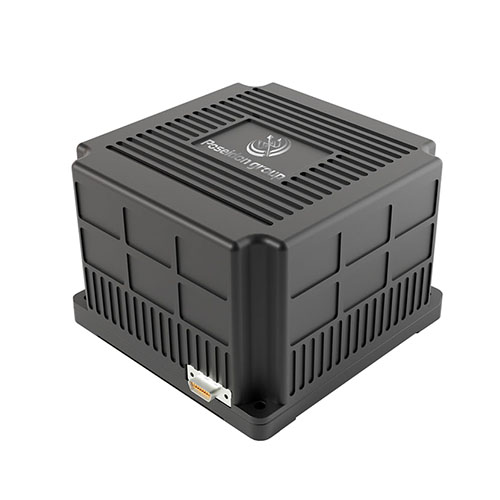 TBSD60
 BSD120
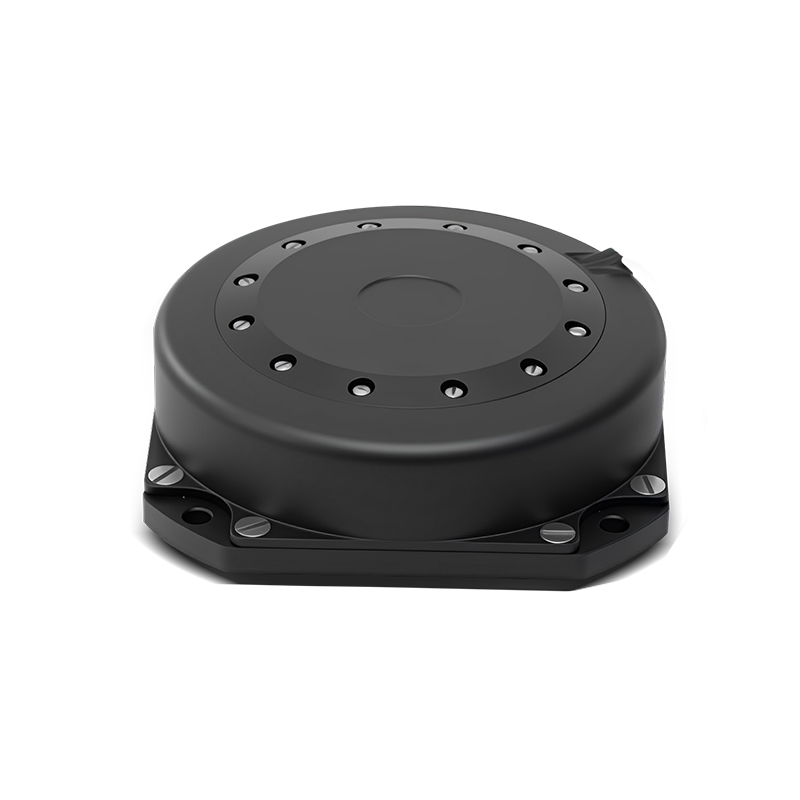 BSD98
BSD98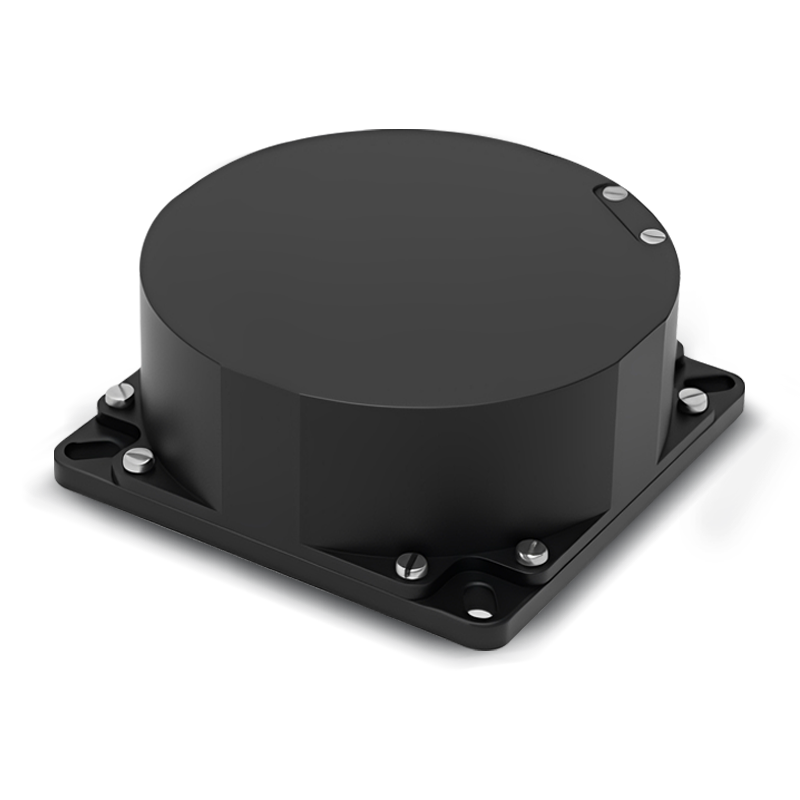 BSD70
BSD70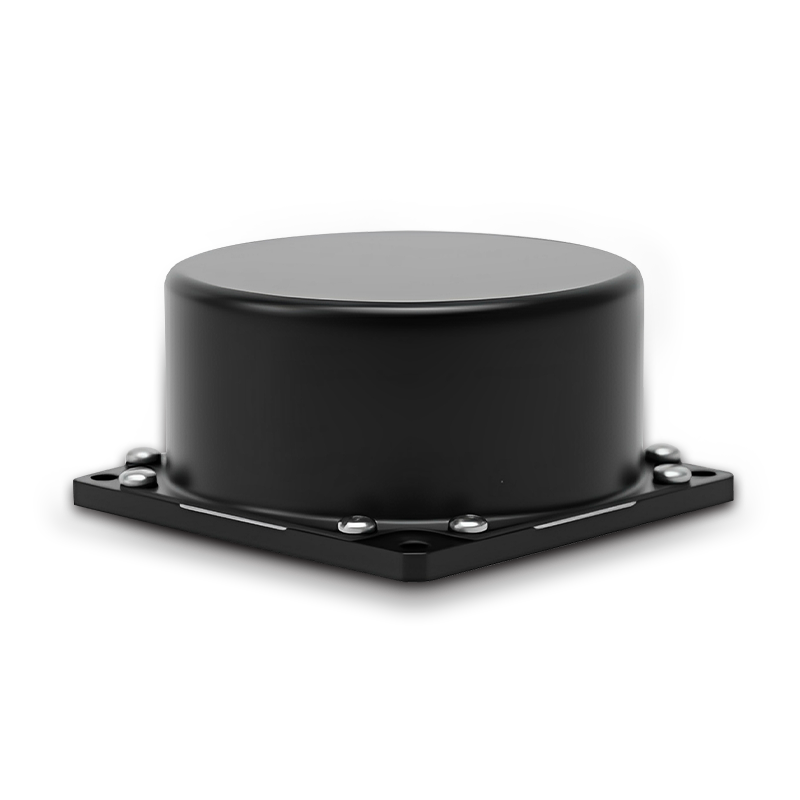 BSD60
BSD60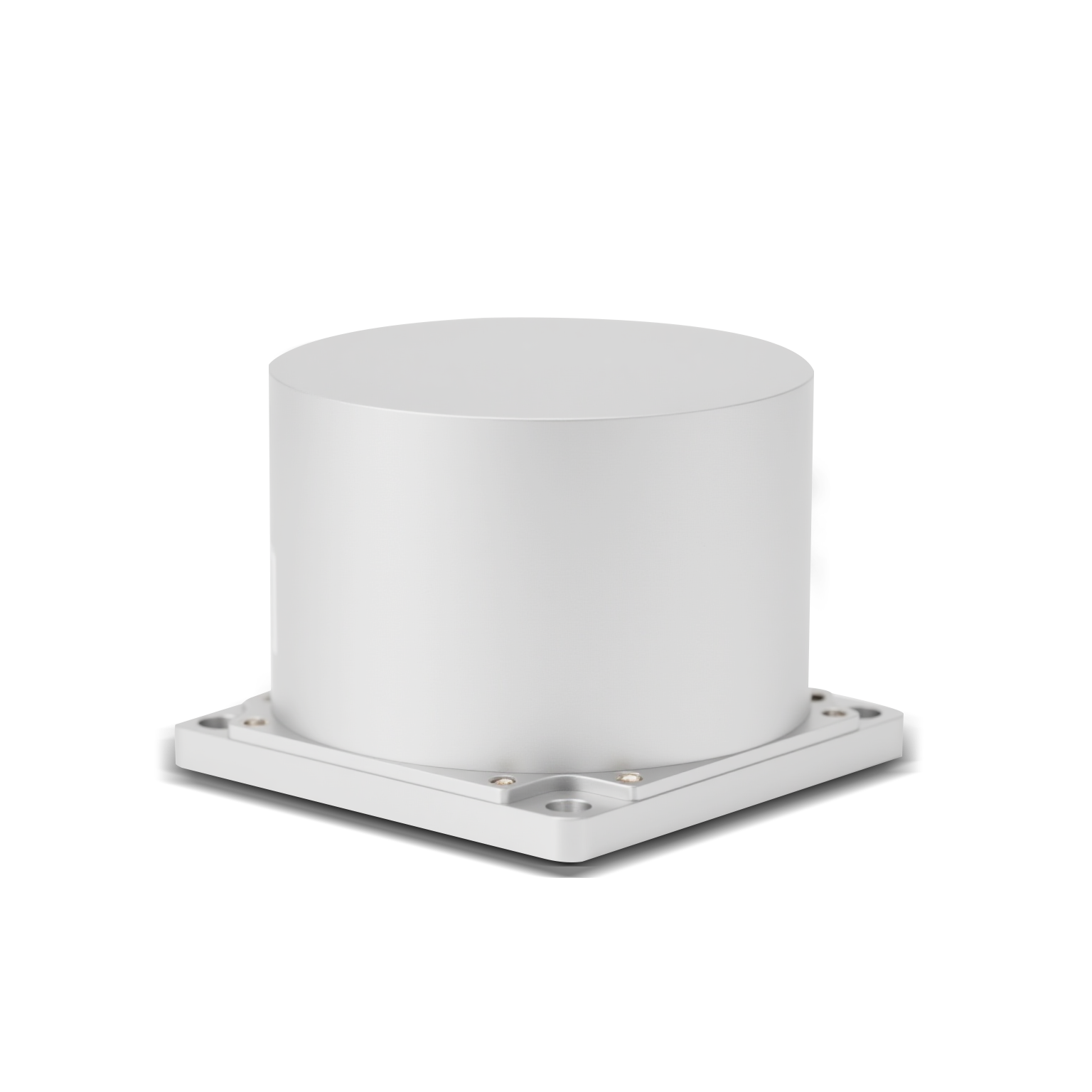 BSD50
BSD50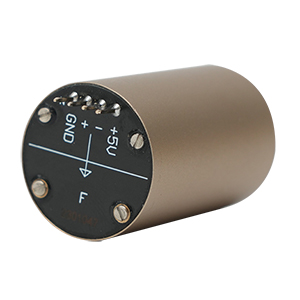 BSD217
 INS1700
 INS970
 INS570
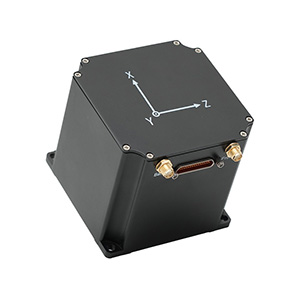 INS170
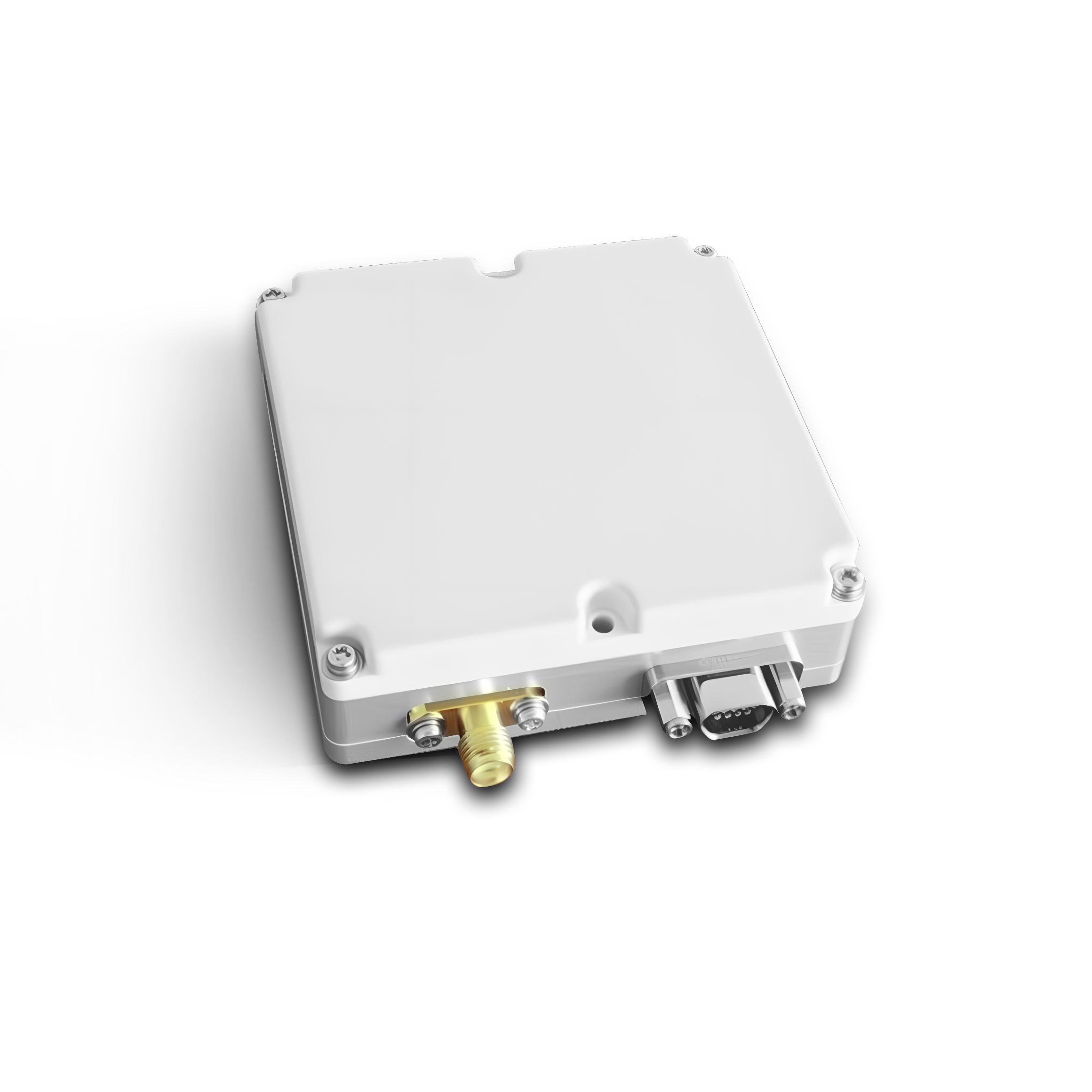 SLA-4B1L1-65
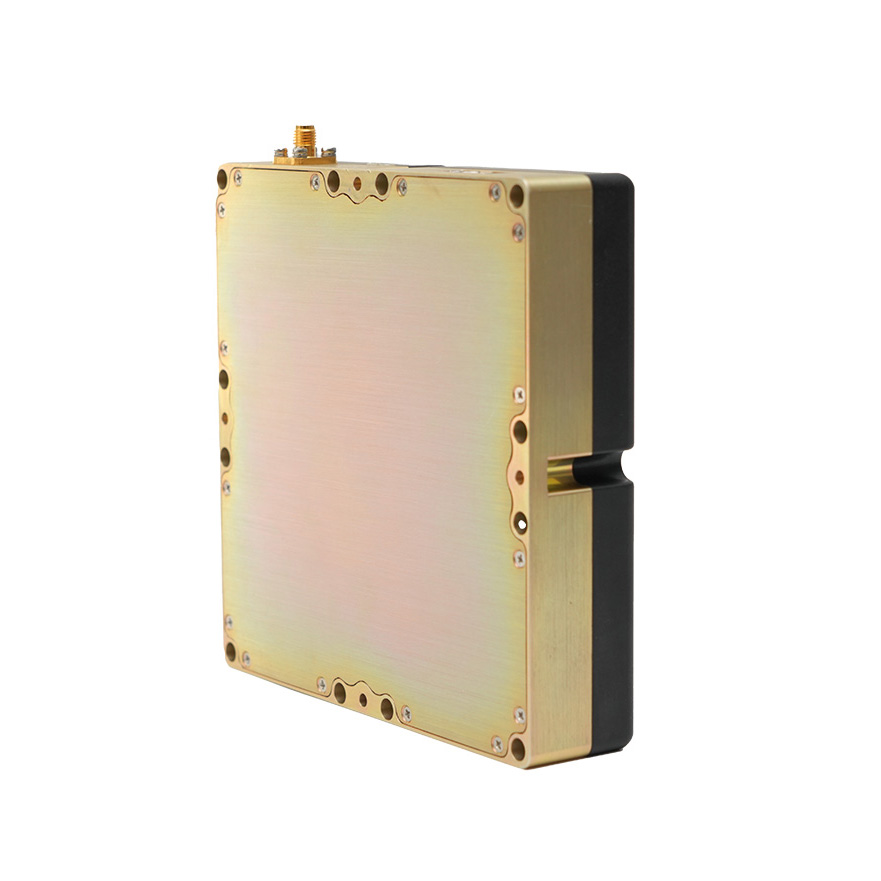 SLA-4B1L1-130
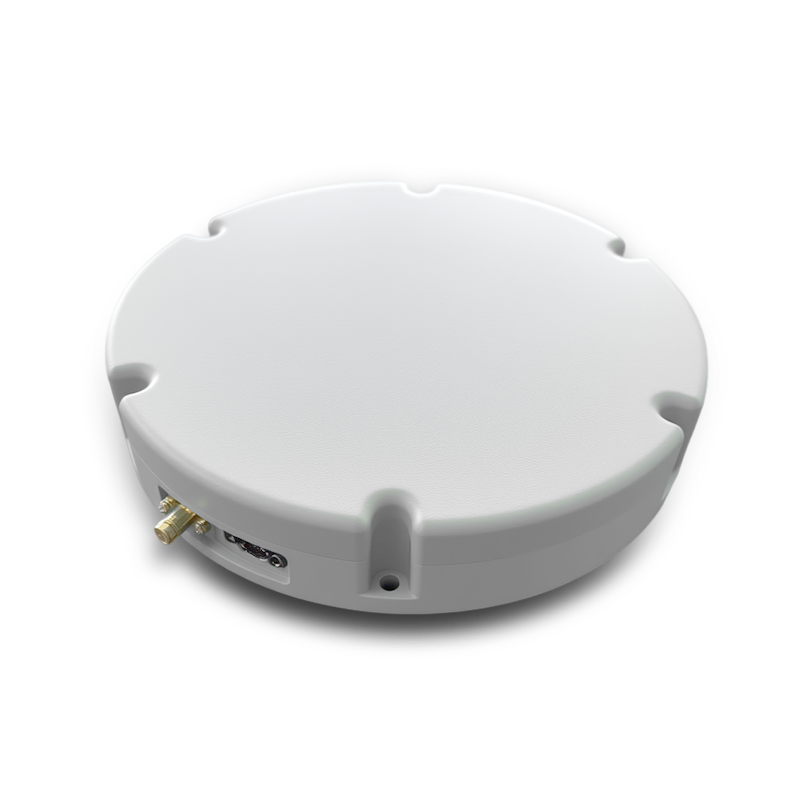 SLA-8B1L1-165
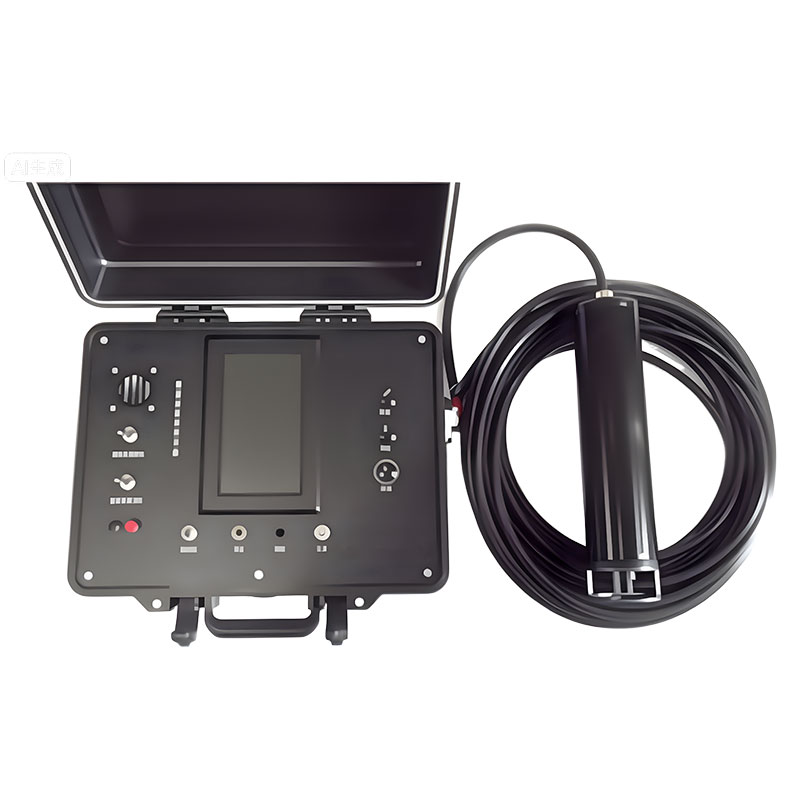 DIVER 101
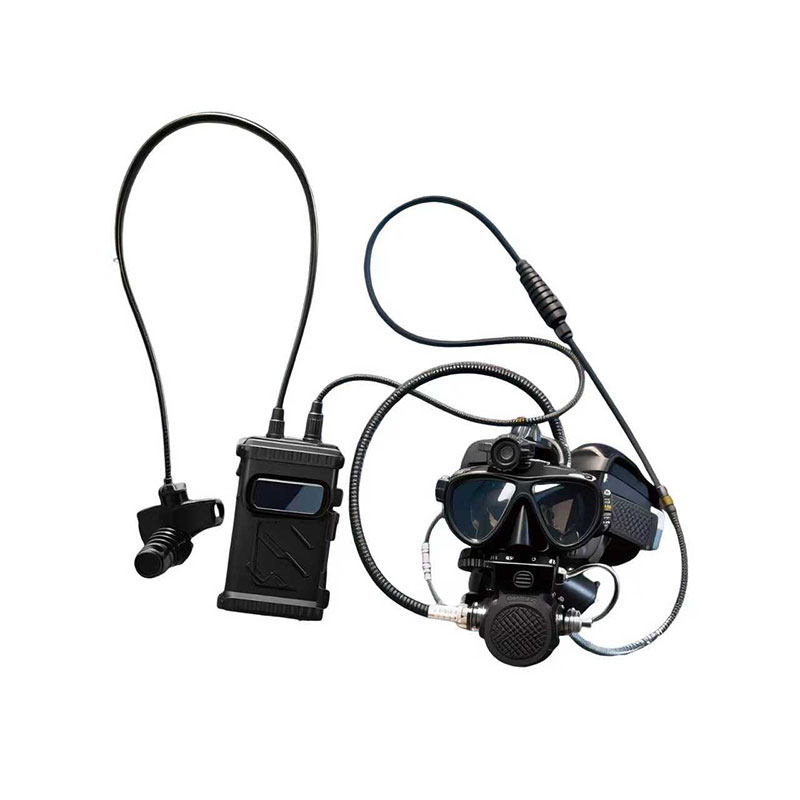 DIVER 102
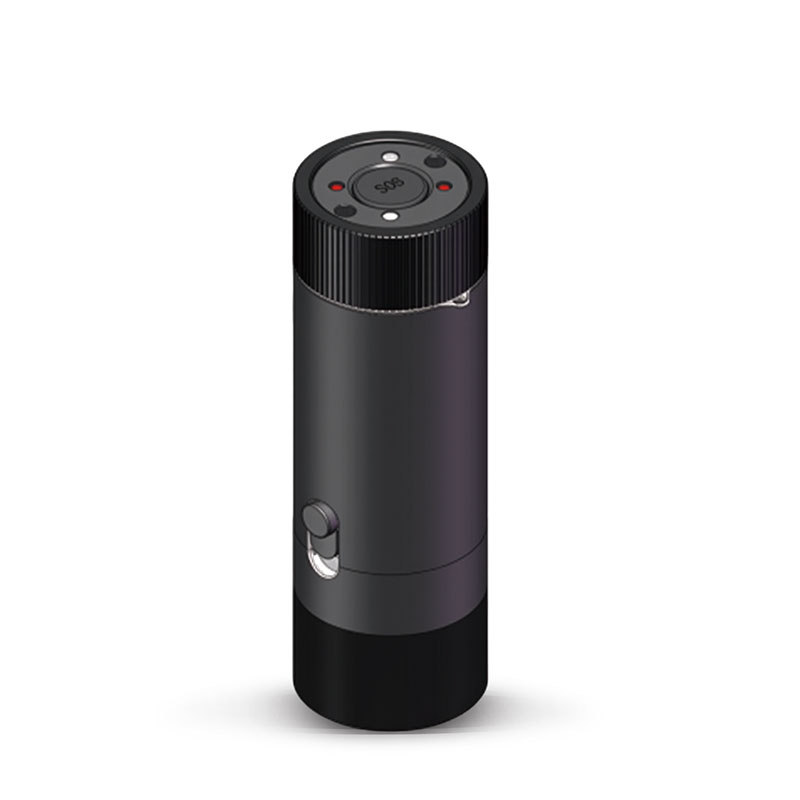 DIVER 103
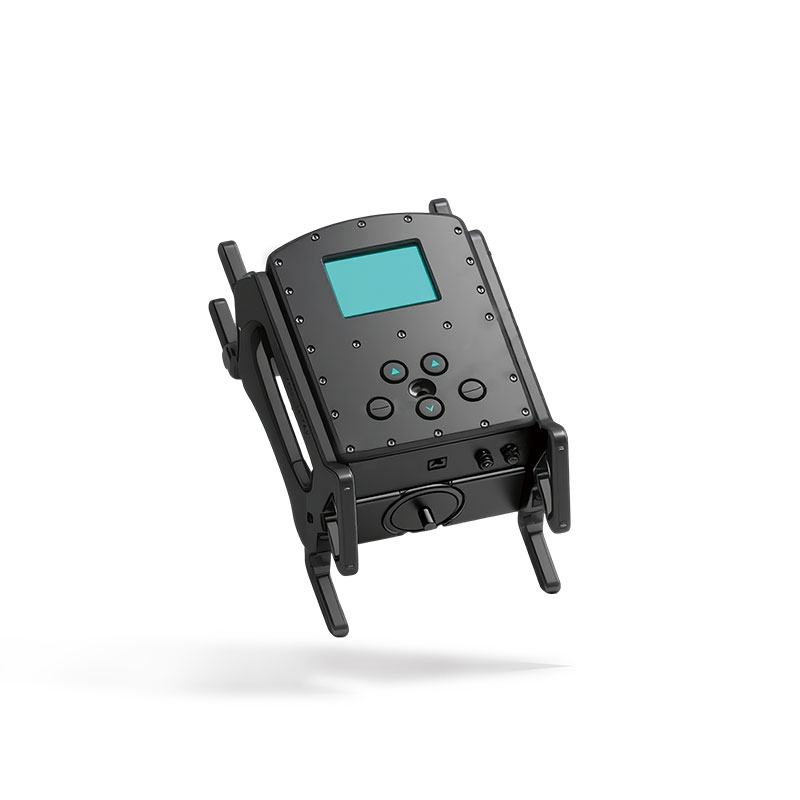 DIVER 104
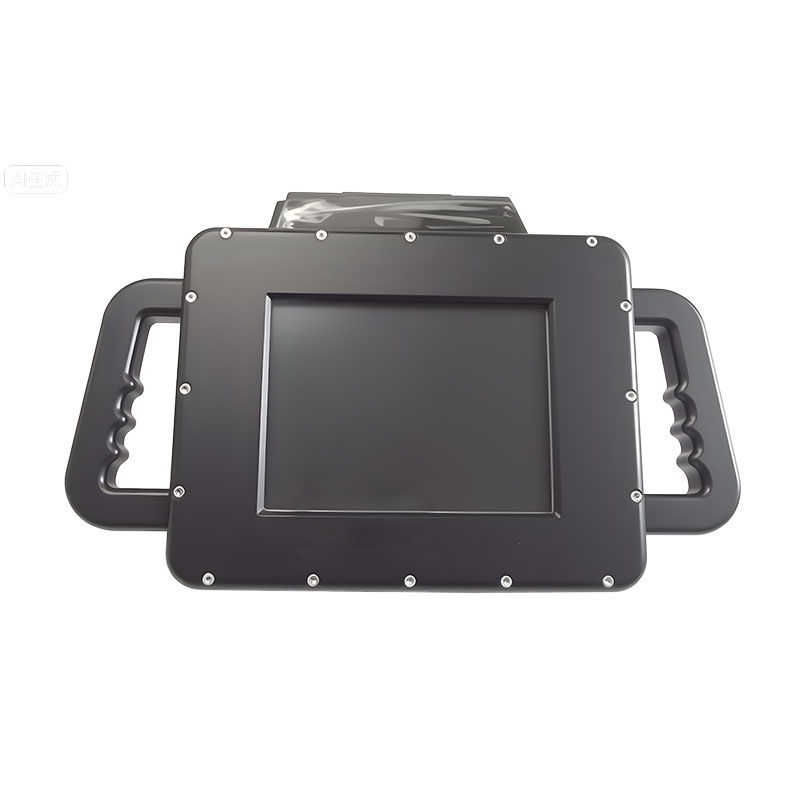 DIVER 105
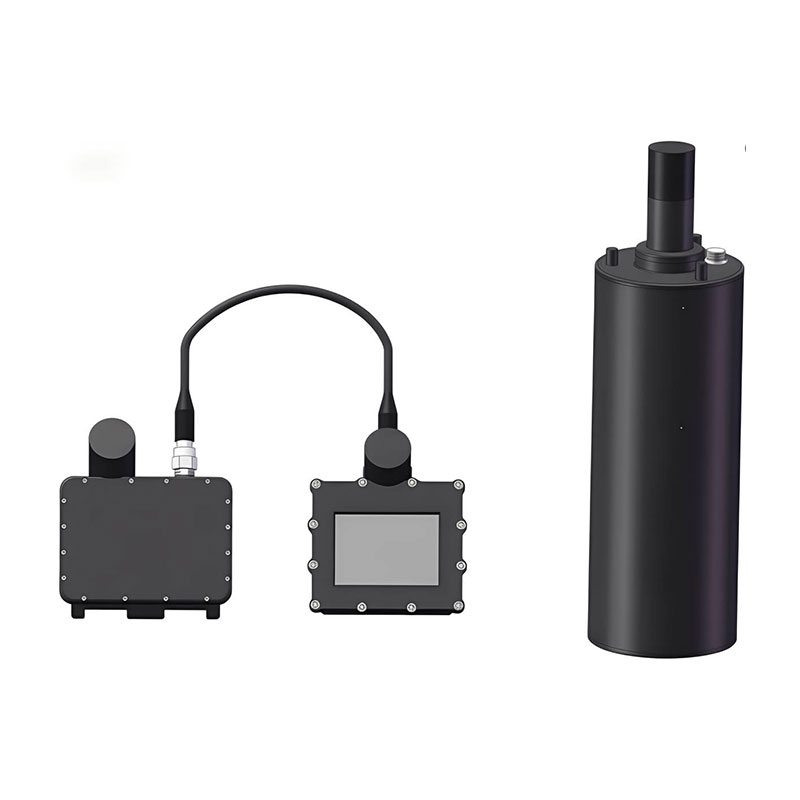 DIVER 106
 SLLR3000
 SLLR905
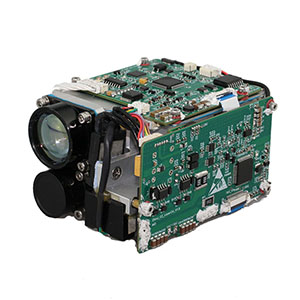 SLLD25
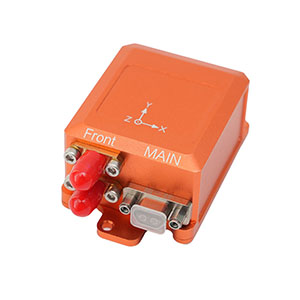 160M
160M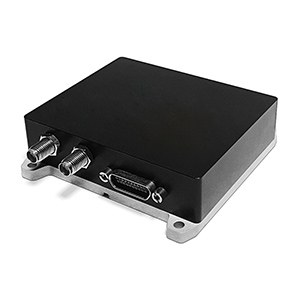 170M
170M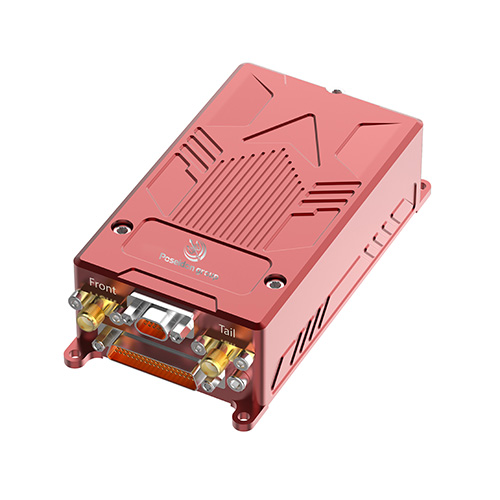 SLFC-70
 SLAF280
 MR360
MR360